
Digital custody has become one of the most important foundations of modern digital finance as more assets are now stored, transferred, and managed through blockchain technology. This includes cryptocurrencies, stablecoins, NFTs, tokenized securities, digital bonds, and other blockchain-based ownership records.
As digital assets continue to gain adoption among institutions, businesses, and retail investors, security and asset protection have become just as important as trading and investment opportunities. This is where digital custody plays a critical role.
Unlike traditional financial custody systems that rely heavily on centralized intermediaries, digital custody focuses on securing cryptographic keys that control access to digital assets. If these keys are lost, stolen, or compromised, the assets themselves may become permanently inaccessible.
Because of this, digital custody combines cybersecurity, governance, transaction controls, compliance procedures, and disaster recovery planning to help secure digital ownership in an increasingly complex financial ecosystem.
What is Digital Custody?

Digital custody has become one of the most important foundations of modern digital finance as more assets are now stored, transferred, and managed through blockchain technology. This includes cryptocurrencies, stablecoins, NFTs, tokenized securities, digital bonds, and other blockchain-based ownership records.
As digital assets continue to gain adoption among institutions, businesses, and retail investors, security and asset protection have become just as important as trading and investment opportunities. This is where digital custody plays a critical role.
Unlike traditional financial custody systems that rely heavily on centralized intermediaries, digital custody focuses on securing cryptographic keys that control access to digital assets. If these keys are lost, stolen, or compromised, the assets themselves may become permanently inaccessible.
Because of this, digital custody combines cybersecurity, governance, transaction controls, compliance procedures, and disaster recovery planning to help secure digital ownership in an increasingly complex financial ecosystem.
Why Digital Custody Matters
As digital assets continue to grow in adoption, the risks surrounding cyberattacks, operational failures, unauthorized transfers, and asset loss have become increasingly significant. Unlike traditional banking systems, blockchain transactions can often move across borders within minutes and may not include the same reversal mechanisms or centralized protections users are familiar with in conventional finance.
Because of this, digital custody plays a critical role in protecting cryptocurrencies, tokenized assets, NFTs, stablecoins, and other blockchain-based assets from both external threats and internal operational risks.
Digital custody is not only a technical requirement. It is also a governance and risk-management function. Businesses handling digital assets must establish clear controls over who can approve transactions, how approvals are documented, how wallet access is managed, and how assets can be recovered during emergencies or system failures. Weak custody practices can expose organizations to financial loss, fraud, reputational damage, and regulatory issues.
Strong digital custody infrastructure helps organizations improve security, maintain operational continuity, and build trust with investors, users, and institutional partners.
Important reasons why digital custody matters include:
Protection Against Private Key Theft
Private-key compromises remain one of the leading causes of digital asset theft. Attackers commonly target wallets, exchanges, employees, and authentication systems through phishing attacks, malware, social engineering, and credential theft.
Support for Institutional Adoption
Institutional investors, banks, family offices, and digital asset companies typically require professional custody infrastructure before participating in crypto markets at scale. Secure custody systems help support governance, transaction controls, operational security, and compliance requirements.
Regulatory Compliance
Many jurisdictions now require crypto businesses and digital asset platforms to implement custody safeguards, anti-money laundering procedures, audit trails, customer asset protections, and cybersecurity controls.
Operational Continuity
Digital custody systems help organizations maintain secure access to assets during emergencies, cyber incidents, staff transitions, infrastructure outages, or unexpected operational disruptions.
Investor and Client Confidence
Users and institutional investors are more likely to trust platforms that demonstrate transparent custody practices, strong governance frameworks, and tested asset protection procedures.
Fraud Prevention
Professional custody systems reduce the risk of internal misuse by implementing transaction monitoring, approval workflows, withdrawal limits, and multi-party authorization controls.
Audit Readiness
Effective digital custody creates clear records of ownership, transaction history, access management, and approval activities, helping businesses support internal reviews, compliance obligations, and financial audits.
Types of Digital Custody
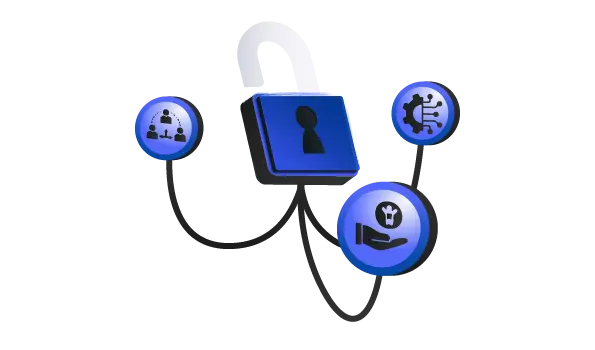
Digital custody can be structured in different ways depending on who controls the private keys, how transactions are approved, and the level of security, accessibility, and operational oversight required. The right custody model often depends on factors such as asset value, risk tolerance, regulatory obligations, and the complexity of daily operations.
For individual users, convenience and direct ownership may be the main priority. For institutions and businesses, digital custody usually requires stronger governance frameworks, including transaction approvals, segregation of duties, reporting systems, compliance procedures, and disaster recovery planning.
Below are the most common types of digital custody used in the digital asset ecosystem.
Self-Custody
Self-custody means the asset owner personally controls the private keys or recovery phrases associated with their digital assets. This model is commonly used by individual crypto holders through hardware wallets, software wallets, or offline backup methods.
The biggest advantage of self-custody is full control. Users do not need to rely on third parties to access, approve, or transfer their assets.
However, self-custody also places complete responsibility on the owner. If a private key or seed phrase is lost, stolen, exposed, or stored insecurely, the assets may become permanently inaccessible. Because of this, self-custody requires strong security awareness, reliable backup procedures, and protection against phishing attacks, malware, and social engineering threats.
Third-Party Custody
Third-party custody involves a specialized provider managing or securing digital assets on behalf of clients. This model is widely used by institutions, exchanges, investment firms, and businesses that require professional-grade custody infrastructure.
Third-party custodians often provide:
- Secure storage infrastructure
- Transaction approval workflows
- Regulatory compliance support
- Reporting and audit capabilities
- Insurance arrangements
- Operational and recovery assistance
Banks, regulated crypto custodians, trust companies, and institutional service providers commonly offer this type of custody solution.
The primary tradeoff is trust. Clients depend on the custodian’s governance, operational reliability, cybersecurity practices, and financial stability. Strong custodians typically maintain independent audits, asset segregation controls, disaster recovery systems, and clear legal frameworks regarding asset ownership and incident response.
Hybrid or Collaborative Custody
Hybrid custody combines elements of self-custody and third-party custody to balance control, security, and operational flexibility.
In collaborative custody models, transaction approvals may be shared between multiple parties. For example, an institution may control one authorization key while a custodian or infrastructure provider controls another. Transactions may require multiple approvals before assets can be moved.
This approach helps reduce single points of failure while allowing users to maintain partial control over their digital assets.
Hybrid custody commonly uses technologies such as:
- Multi-signature wallets
- Shared approval systems
- Multi-party computation (MPC)
MPC-based custody solutions distribute transaction-signing authority across multiple systems so that a complete private key does not need to exist in a single location during transaction approval. This can significantly improve security while maintaining operational efficiency for institutional users.
Digital Custody vs Traditional Custody
Digital custody and traditional custody share the same fundamental objective, which is protecting client assets and maintaining secure ownership records. However, the way these systems operate is significantly different.
Traditional custody typically relies on centralized financial institutions such as banks, brokers, custodians, and depositories that maintain ownership records and process transactions through established financial infrastructure. Digital custody, on the other hand, relies heavily on blockchain networks, cryptographic keys, wallet systems, and transaction-signing mechanisms to secure and transfer assets.
The differences become especially important when looking at transaction settlement and recovery processes. In traditional finance, transaction errors may sometimes be corrected through intermediaries, legal procedures, or centralized record adjustments.
In many blockchain systems, however, transactions signed with valid private keys are generally irreversible. This makes prevention, access control, and transaction security far more critical in digital custody environments.
|
Category |
Traditional Custody |
Digital Custody |
|
Main Asset Type |
Cash, stocks, bonds, certificates, fund units |
Cryptocurrencies, NFTs, stablecoins, tokenized assets |
|
Proof of Ownership |
Legal records and centralized ledgers |
Blockchain records and private keys |
|
Primary Risks |
Operational errors, fraud, counterparty failure |
Key theft, cyberattacks, key loss, smart contract risks |
|
Transaction Authorization |
Bank or broker instructions |
Cryptographic signing and wallet approvals |
|
Recovery Options |
Often supported by intermediaries |
Limited if private keys are lost or compromised |
|
Security Infrastructure |
Banking controls, reconciliations, and legal frameworks |
Cold storage, MPC, multisig, hardware security systems |
|
Compliance Focus |
Banking, securities, and fiduciary regulations |
Crypto regulation, AML controls, cybersecurity |
|
Transaction Speed |
Traditional settlement cycles |
Often near real-time blockchain transfers |
This comparison highlights why digital custody requires both strong financial governance and advanced technical security. Traditional custodians primarily focus on legal ownership records, reconciliation processes, and settlement infrastructure. Digital custodians must handle those responsibilities while also protecting cryptographic signing authority and preventing unauthorized blockchain transactions.
In digital asset environments, weak access controls or compromised credentials can directly result in irreversible asset transfers. Because of this, modern custody systems increasingly combine traditional financial governance standards with advanced security technologies such as cold storage, multi-signature authorization, multi-party computation (MPC), transaction monitoring systems, and phishing-resistant authentication controls.
Best Practices for Digital Custody
A strong digital custody strategy should be established before digital assets are acquired, not after a security incident occurs. Organizations need clear policies explaining how private keys are stored, who can approve transactions, how access is managed, and what procedures apply during emergencies or system failures.
Because digital asset risks continue to evolve, custody frameworks should also be reviewed regularly to address changes in cybersecurity threats, operational requirements, and regulatory expectations.
Effective digital custody programs combine people, processes, and technology. Advanced security infrastructure alone is not enough if governance controls are weak or operational procedures are poorly managed. Likewise, strong policies may still fail if backups are stored insecurely or access permissions are not properly monitored.
Below are some of the most important best practices for digital custody.
Use Layered Key Protection
Private keys should never be exposed to internet-connected environments without strong security controls. Professional custody providers commonly use layered protection methods such as:
- Cold storage
- Hardware security modules
- Multi-signature wallets
- Multi-party computation (MPC)
- Access control systems
The primary goal is to reduce single points of failure and limit the risk of unauthorized access.
Layered security also includes separating responsibilities. No single individual should have complete authority to create, approve, and execute large asset transfers independently. Multiple approvals, withdrawal limits, and transaction delays can significantly reduce the risk of fraud or cyberattacks.
Build Clear Governance
Governance frameworks define how custody decisions are managed within an organization. This includes:
- Approval responsibilities
- Transaction limits
- Access reviews
- Emergency procedures
- Employee offboarding controls
- Incident response protocols
Without clear governance, custody operations can become inconsistent and vulnerable to operational mistakes or internal misuse.
Organizations handling digital assets should clearly understand:
- Who can move assets
- Who reviews transactions
- Who approves wallet access
- Who manages security incidents
- How high-risk transactions are verified
Maintain Audit Trails
Every custody-related activity should generate a clear and verifiable record. This may include:
- Wallet creation
- Access changes
- Transaction approvals
- Failed login attempts
- Policy updates
- Emergency recovery actions
Audit trails help organizations monitor suspicious activity, support compliance requirements, and improve accountability across custody operations.
Detailed records are also valuable during internal investigations, financial audits, and regulatory reviews.
Plan for Recovery
Recovery planning is essential because digital custody risks include both theft and permanent loss of access.
A poorly managed recovery process can create serious operational problems. For example, a seed phrase stored too securely may become inaccessible during emergencies, while a private key controlled by a single employee may create risks if that person becomes unavailable.
Strong recovery plans typically include:
- Secure backup locations
- Recovery access procedures
- Emergency authorization workflows
- Disaster recovery testing
- Legal documentation
- Business continuity planning
The objective is not only to protect assets from attackers, but also to ensure assets remain accessible when legitimate recovery is required.
Monitor Regulatory Developments
Digital asset regulation continues to evolve across different jurisdictions. Businesses involved in custody services, client asset management, or crypto operations must regularly monitor legal and compliance requirements related to:
- Asset protection
- Anti-money laundering controls
- Cybersecurity standards
- Licensing obligations
- Reporting requirements
Because regulations vary internationally, organizations should work closely with legal and compliance professionals when developing custody strategies, especially when operating across multiple regions or managing assets on behalf of clients.
Challenges and Risks of Digital Custody
Although digital custody technology has improved significantly over the years, the industry still faces several operational, cybersecurity, and governance-related risks. Because digital assets are controlled through cryptographic access systems, even a small security failure can potentially result in irreversible financial loss.
As institutional participation in digital asset markets continues to grow, organizations must understand not only the benefits of digital custody but also the risks and operational challenges involved in securing blockchain-based assets.
Below are some of the most common challenges associated with digital custody.
Phishing Attacks
Phishing remains one of the most common threats in the digital asset industry. Attackers often impersonate legitimate platforms, exchanges, wallet providers, or support teams to trick users into revealing private keys, wallet credentials, or recovery phrases.
These attacks may occur through fake websites, fraudulent emails, malicious advertisements, or social engineering tactics designed to exploit human error.
Insider Threats
Employees or internal users with privileged access may create security risks if governance controls are weak or poorly monitored.
Without proper approval systems, segregation of duties, and access restrictions, insiders may misuse credentials, bypass procedures, or initiate unauthorized transactions. Strong governance and transaction monitoring are essential for reducing internal operational risk.
Smart Contract Exploits
Many blockchain applications rely on smart contracts to automate transactions and asset management processes. However, coding vulnerabilities or design flaws within smart contracts can expose digital assets to theft, manipulation, or unauthorized access.
Even well-known decentralized finance platforms have experienced major losses due to smart contract exploits and protocol vulnerabilities.
Key Loss
One of the biggest risks in digital custody is the permanent loss of private keys or recovery phrases.
Unlike traditional banking systems, blockchain networks usually do not provide centralized recovery mechanisms. If backup procedures are missing or improperly managed, lost credentials may result in permanent loss of access to digital assets.
Operational Complexity
Institutional custody systems often require advanced operational structures involving:
- Multi-party approvals
- Access management systems
- Security monitoring
- Compliance workflows
- Disaster recovery procedures
- Infrastructure maintenance
Managing these systems securely can become increasingly complex as organizations scale their digital asset operations across multiple teams, jurisdictions, and blockchain networks.
The Future of Digital Custody
The future of digital custody will likely be shaped by the continued growth of institutional adoption, tokenization, evolving regulations, and increasingly advanced security technologies. As blockchain infrastructure expands beyond cryptocurrencies, digital custody is expected to support a much wider range of tokenized assets and digital financial instruments.
In the coming years, custody solutions may manage:
- Tokenized securities
- Digital bonds
- Real estate tokens
- Carbon credits
- Stablecoins
- NFTs
- Digital identity credentials
- Central bank digital currencies (CBDCs)
As more real-world assets become tokenized, the demand for secure and scalable custody infrastructure will continue to increase.
At the same time, institutional users are expected to require more than just secure storage. Modern custody providers will also need to deliver:
- Reporting dashboards
- Compliance monitoring
- Accounting integrations
- Automated approval workflows
- Transaction visibility
- Reliable settlement systems
The most competitive custody platforms will likely combine traditional financial governance standards with flexible digital asset infrastructure capable of supporting large-scale operations securely and efficiently.
Another major trend is the rise of programmable custody systems. Unlike traditional wallet-based custody, programmable custody allows organizations to build automated rules directly into transaction workflows.
For example, custody systems may:
- Require multiple approvals for large transfers
- Block withdrawals to unauthorized wallet addresses
- Automatically flag suspicious activity
- Pause transactions during unusual behavior
- Integrate compliance screening before transaction execution
This approach makes digital custody more intelligent, automated, and adaptable to institutional risk-management requirements.
Cybersecurity threats are also expected to become more sophisticated over time. Attackers are no longer limited to exploiting software vulnerabilities alone. They increasingly target employees, executives, vendors, customer support systems, and operational approval processes through phishing attacks and social engineering tactics.
Because of this, the future of digital custody will depend not only on stronger technical infrastructure but also on operational discipline, employee training, governance frameworks, incident response planning, and secure authentication practices.
As digital finance continues to evolve, digital custody will remain one of the most important pillars supporting trust, ownership protection, and long-term adoption across the blockchain ecosystem.
Conclusion
Digital custody has become the backbone of trust in the modern digital asset ecosystem. Without a strong custody infrastructure, cryptocurrencies, NFTs, tokenized assets, and other blockchain-based assets become significantly more vulnerable to theft, unauthorized access, operational failures, and permanent loss.
As digital finance continues to evolve, custody is no longer just a technical function operating behind the scenes. It has become a critical part of risk management, governance, regulatory readiness, and institutional adoption. Businesses and investors increasingly require custody solutions that combine strong security, operational efficiency, transparency, and scalable infrastructure capable of supporting the future of digital finance.
Organizations that establish effective digital custody strategies today will be better prepared to navigate the growing world of blockchain technology, tokenization, and digital asset markets with greater confidence and resilience.
As demand for secure and efficient digital asset infrastructure continues to grow, ZeroX provides tailored digital asset finance solutions, including trading, borrowing, lending, and market-making services, designed to help market participants navigate crypto markets with greater security, flexibility, and operational efficiency.

Fintech specialist focused on trading infrastructure and brokerage automation. With six years of experience in designing multi-asset platforms and ultra-low-latency stacks, I help institutions optimize execution speed and operational resilience. My work translates research into production-ready strategies for building scalable and high-performance trading environments.